




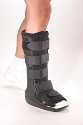
Figure 1 – Tall Walking Boot
One of the best ways to get a foot or ankle problem to heal is to rest it. But of course, it’s hard to rest your foot and still carry on your normal activities.
Walking boots allow you to rest your foot while still walking around and doing your day to day activities. And walkers are not just for fractures. In our Seattle foot and ankle clinic we also prescribe them for heel pain, ball of foot pain, tendonitis and other problems.
Call 206.344.3808 or use our Patient Portal to schedule an appointment to ensure you get the right walking boot and it fits properly.
Walking Boots for Foot and Ankle Injuries
Walking boots are also called walkers, cast boots, Aircast boot, medical boot, walking cast and fracture boots. Keep in mind that walkers are usually just a part of an overall treatment plan. We recommend you see your podiatrist for complete treatment. Also, the product links in this post are affiliate links. If you click and purchase one of these items, we may make a small commission.
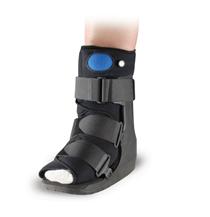
Figure 2 – Short Walking Boot
This page is a guide finding the best walking boot for all kind of foot problems. For each condition we will answer the following questions:
- How long should you wear a boot for your particular problem?
- Should you wear a tall boot (figure 1) or short boot (figure 2)
- Should you use a regular boot (figure 1) or a pneumatic boot (one that has air bladders that can be pumped up to provide more immobilization) (figure 3). The pneumatic boots offer more protection for problems like fractures, but are more expensive. We’ll let you know when it is worthwhile to spend the extra money and when it is not.
- Do you have large calves or lower leg swelling? If so you’ll need a walking boot designed to fit wider calves. We have recommendations on medical walking boots for wide calves below
Please note that some of the links below are affiliate links, and at no additional cost to you, we will earn a small commission if you decide to make a purchase. Please understand that we have used all of these items for our own patients and we recommend them because they are effective and a good value, not because of the small commissions we make if you decide to buy something.
Here are some of the conditions that can be treated with a walking boot
- Plantar Fasciitis / Heel Pain
- Ball of Foot Pain

Pneumatic Walking Boot for Fractures and Severe Injury
- Ankle Sprain
- Metatarsal Stress Fracture
- Toe Fracture
- Foot Fracture
- Ankle Fracture
- Tendonitis
- Children’s Heel Pain
Walking Boot for Plantar Fasciitis
The purpose of a walking boot in treating plantar fasciitis / heel pain is to reduce tension on the plantar fascia so that the fascia can rest and heal. For many patients it is the only thing that provides enough protection for the area to heal and still allows the person to walk around. In addition, it can act to reduce pressure on the heel.
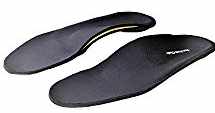
Place in boot to take tension off plantar fascia
How long to wear it? For plantar fasciitis most patients wear the boot for 7 – 14 days depending on severity of heel pain
Tall or Short Boot? Either one. Most people are more comfortable in the tall boot as it does not irritate the shin. But if you are short, you might want to use the short walking boot.
Hints: Use an arch support inside the boot to take more tension off of the plantar fascia. We recommend the FootChair Orthotic with Adjustable Arch Height (figure 4). This arch support comes with pads that can be inserted to increase the arch height for a customized fit. For plantar fasciitis use the highest arch that you find comfortable.
Walking Boot for Ball of Foot Pain (metatarsalgia, neuroma, sesamoiditis)
The feature of cast boots that work so well for pain under the ball of the foot is the rocker aspect of the sole. Pressure studies show that this rocker works to dramatically reduce pressure under the ball of the foot. Reducing pressure here allows the tissue to rest and heal.
How long to wear it? For ball of foot pain, most patients wear the boot for about 7 days.
Tall or Short Boot? Either one. Most people are more comfortable in the tall boot as it does not irritate the shin. But if you are short, you might want to use the short walker boot.
Hint: Use an arch support like the FootChair Orthotic with Adjustable Arch Height inside the boot to transfer even more pressure off of the ball of the foot. The FootChair comes with pads that can be added to increase arch height in order to transfer more pressure off of the ball of the foot and onto the arch.
Regular or Pneumatic Boot? Use the less expensive regular walker. You don’t need the more expensive pneumatic walking boot for metatarsalgia.
Walking Boot for Sprained Ankle
Recent studies on ankle sprain treatment have shown that immobilization in a cast boot for the first two weeks will allow proper healing of the injured ligaments to begin. We put every ankle sprain patient in a boot initially. Don’t try to diagnose an ankle sprain on your own – see a podiatrist.
How long to wear it: Wear the medical walking boot for two weeks following an ankle sprain.
Short or Tall Boot? Always use the tall boot for ankle sprains. The short one does not provide adequate ankle protection.
Regular or Pneumatic Boot? The less expensive regular tall boot should work fine for ankle sprains.
Walking Boot for Metatarsal Stress Fracture
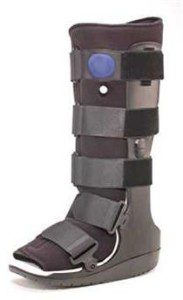
Metatarsal stress fractures should always be immobilized in a boot. Like all fractures, metatarsal stress fractures will heal faster and better when they are immobilized. The easiest way to do this is to use a medical boot. If a stress fracture is suspected you should see a doctor as soon as possible.
How long to wear it? Depending on the type of fracture, most of our patients are in a boot 2 – 4 weeks. Wear the boot until you can get an x-ray and a doctor can tell you if are ready to come out of the boot.
Tall Boot or Short Boot? Always use a tall boot for metatarsal fractures. This is necessary because many of the muscles that attach into the metatarsal region start in the leg. If you have a stress fracture you want to limit motion of the foot by immobilizing those muscles.
Regular or Pneumatic Boot? The less expensive regular tall boot should work fine for metatarsal stress fractures.
Walking Boot for Toe Fractures
Too often people are told that nothing can be done for a toe fracture. This is not true. Like all fractures, toe fractures will heal faster and better when they are immobilized. The easiest way to do this is to use a fracture boot.
How long to wear it? Depending on the type of fracture, you could be in a boot from 2 – 6 weeks. Wear the boot until you can get an x-ray and a doctor can tell you if are ready to come out of the boot.
Tall Boot or Short Boot? Always use a tall boot for toe fractures. This is necessary because many of the muscles that attach into the toes start in the upper leg. In the presence of a toe fracture you want to limit motion of the toe by immobilizing those muscles.
Regular or Pneumatic Boot? The less expensive regular tall boot should work fine for ankle sprains.
Walking Boot for Foot Fracture / Broken Foot
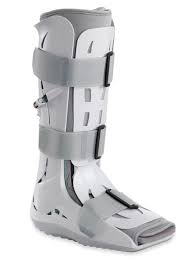
Aircast Pneumatic Boot – Best for Fractures
There are many types of foot fractures and specific fractures may require specific treatment. So we always recommend seeing a doctor to have a foot fracture treated.
How long to wear it: Again, see a doctor first as it really depends on the type of injury. It could be anywhere from 3 weeks to 8 weeks or even more. Wear it for as long as your doctor tells you.
Short or Tall Boot? Tall boots are best for foot fractures as they immobilize both the foot and the leg muscles that attach into the foot.
Regular or Pneumatic Boot? For fractures we ONLY recommend the Aircast tall pneumatic boot. You need the extra protection to limit motion as much as possible. This walker is the closest boot you can get to an actual cast
Call 206.344.3808 or use our Patient Portal to schedule an appointment to ensure you get the right walking boot and it fits properly.
Walking Boot for Ankle Fractures
You really should not try to treat an ankle fracture on your own. This should be seen by a podiatrist or an orthopedic surgeon.
How long to wear it: Again, see a doctor first as it really depends on the type of injury. It could be anywhere from 3 weeks to 8 weeks or even more. Wear it for as long as your doctor tells you.
Short or Tall Boot? Always use the tall pneumatic boot for ankle fractures. This is the type that has air bladders that can be pumped up for extra support.
Regular or Pneumatic Boot? For fractures always use the pneumatic boot. You need the extra protection to limit motion as much as possible.
Walking Boot for Posterior Tibial Tendonitis and Peroneal Tendonitis
The goal of a walking boot for tendonitis of the foot and ankle is to decrease tension on those tendons in order to allow healing to start.
How long to wear it? Most of our patients wear the boot for 10 – 14 days.
Short or Tall Boot? Always use the tall walking boot for tendonitis. The muscles start high up in the leg and to best rest these muscles the boot must go up high on the leg.
Regular or Pneumatic Boot? Either one. Most people will be fine with the less expensive regular tall walking boot. If the pain is severe, use the tall pneumatic boot.
Hint: For posterior tibial tendonitis use an arch support such as the FootChair Orthotic with Adjustable Arch Height inside the boot to help reduce tension on the posterior tibial tendon. This unique arch support has an arch that is adjusted by slide-in pads. This allows a customized fit that will maximize the benefit to the tendon while still being comfortable. even more pressure off of the ball of the foot. We recommend using both of the extra pads if you have posterior tendonitis and just leave the orthotic as is (no extra pads) for peroneal tendonitis.
- A complete home treatment plan for posterior tibial tendonitis can be found here.
- A complete home treatment plan for peroneal tendonitis can be found here.
Walking Boot for Wide Calves
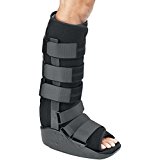
Best walking boot for large calves
If you have large calves or a lot of swelling of your lower leg you will require a walking boot with adjustable uprights to fit your lower leg. The boot must be made so that the uprights can be bent outward to accommodate larger calves.
There are few medical boots on the market that fit those with wide calves. Our favorite is the DonJoy MaxTrax Walker Brace.
The Donjoy MaxTrax has malleable upright which can be bent out to accommodate for larger lower legs. It also is wider than average around the foot and ankle.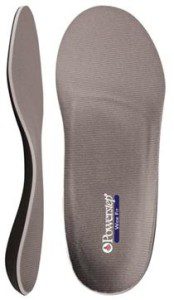
If you have a wide lower leg or swollen calf you will often have a wide foot also and so will require a wider orthotic to wear in the boot. For those with wider feet or lower extremity swelling we recommend the PowerStep Wide Orthotic Arch Support.
Walking Boot for Children’s Heel Pain
Kids with heel pain due to Sever’s disease (inflamed growth plate) often need to wear a boot for a week or so to allow the foot to rest and heal.
How long to wear it? For heel pain in children, most kids wear the boot for about 7 days.
Tall or Short Boot? Either one. Most kids are more comfortable in the tall walker boot as it does not irritate the shin.
Hints: Use an arch support like the PowerStep Arch Support inside the boot to transfer even more pressure off of the ball of the foot.
Regular or Pneumatic Boot? Use the less expensive regular walker. You don’t need the more expensive pneumatic walking boot for heel pain in kids.
How To Wear Walking Boots Comfortably
You Must Keep Your Legs Even
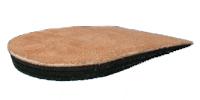
Adjustable heel lift. For other foot.
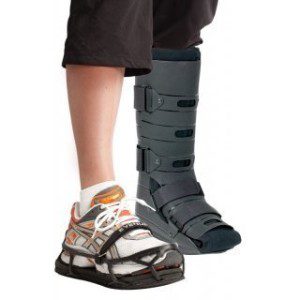 The most important thing to do in order to wear a walking boot comfortably is to ensure that you are wearing a shoe of the same height on the opposite foot. A running shoe often works well if it has a higher heel than forefoot.
Many shoes will require a heel lift to be added to the shoe. We like this adjustable heel lift. Try a couple different thicknesses of the lift to see which one is more comfortable.
Use an “Even-up” for Best Back, Knee and Hip Protection
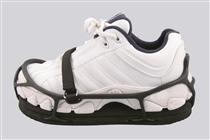
Wear the Even-Up on the other shoe to prevent back and hip pain when wearing a walking boot
For people with a history of back, hip or knee pain you will want to make sure your gait is as symmetric as possible. This means you want a rocker on your shoe that matches the rocker on the walker. This can be accomplished with the use of the Even-Up device.
The EvenUp straps to the bottom of your shoe so that your shoe will rock just as the boot does, giving you a symmetric gait and likely decreasing the chance of back or hip pain.
You Must Use Arch Support inside the Boot to Stabilize the Foot
Using an arch support inside the boot will further stabilize the foot in order to promote healing and decrease pain. A full length semi-rigid orthotic with a good amount of arch support works best.
A good choice for most people is the FootChair Orthotic with Adjustable Arch Support as it provides very good support at a relatively low cost and it is the only OTC orthotic we have found with an adjustable arch so that most everyone can get maximum support with comfort. We use this in boots very regularly and most patients find it both comfortable and supportive.
How Do I Protect My Skin When Wearing a Walking Boot?
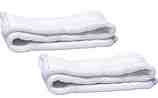
Use a sock liner. Our favorite is the Aircast Sock Liner. It is essentially a non-constricting and cushy athletic sock that goes up to your knee and protects your skin when you are wearing a boot.
How Do I Keep My Foot Dry in a Waking Boot if it Rains? 
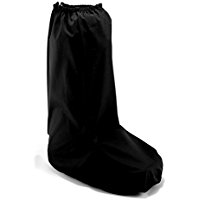
This Walking Boot Weather Cover will keep your feet dry in any weather. It is open at the bottom so you still have traction but otherwise covers your boot and foot to keep you dry and warm. Being that we are in Seattle, many of our patients use this cover.
- The weather cover will protect medical boots from rain, snow and sand.
- Fabric is both waterproof and breathable.
- Easy to clean.
- Fits right or left of almost all medical boots.
If you want a cover that only covers the foot then try this Fracture Cast Boot and Shoe Cover. This one has a non slip sole and goes over the foot portion of the 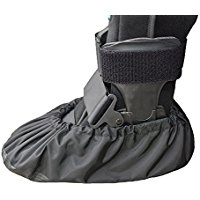 boot.
boot.
The Fracture Boot Shoe Cover does a great job at not only keeping your feet dry but also at keeping your house clean. Since it covers the bottom of the boot just take it off when you get home and you have a clean, dry boot.
A Cane Can Help When Used Correctly
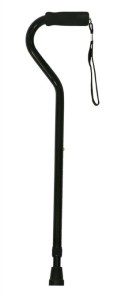
If you have an injured foot or ankle and are wearing a boot to protect your injured limb, using a cane in the opposite hand can reduce 30 – 40% of the force you are putting on the injured side. This can dramatically decrease pain and make it easier for you to move around comfortably.
Many people use canes incorrectly by holding the cane on the same side as the injury. In fact, canes should be used in the opposite hand and you should move your cane forward at the same time as the injured foot. So if you are in a boot, the boot and the cane should be hitting the ground at the same time.
Especially during the first week or so of an injury, when it is at it’s most painful, a cane can be very helpful. Here is an inexpensive cane that we often recommend for our patients.
Do You Want Your Friends to Sign Your Cast?
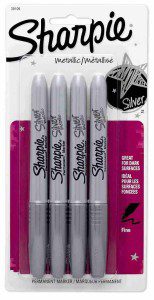
Back in the days of plaster casts, one of the few benefits of wearing one was that your friends could sign it. The advent of
the walking boot kind of ruined that. But we have found that a silver Sharpie pen does a great job of permanently writing on walking boots. So if you want your casts to be signed, carry a silver Sharpie with you.
How To Exercise When You Are Wearing a Walking Boot
Last but not least, what do you do to keep exercising if you have one of the injuries listed above and you want to continue exercising? Many of our patients are in the same situation so we have come up with a Guide to Exercising with a Foot Injury. Use the link to read the guide and follow the instructions. We’ll make sure you can continue your workouts even when you have a foot injury and must wear a walker boot.
Call 206.344.3808 or use our Patient Portal to schedule an appointment to ensure you get the right walking boot and it fits properly.
