




The Adult Acquired Flat Foot Due to Posterior Tibial Tendon Dysfunction
One of the worst kinds of flat foot is due to the weakening or rupture of a tendon called the posterior tibialis. The condition is known by several names including posterior tibialis dysfunction (PTD), posterior tibial tendon dysfunction and tibialis posterior dysfunction. The weakening of this tendon leads to an “Adult Acquired Flatfoot” – a progressive flattening of one or both feet.
This condition can lead to severe changes in foot position and function. The collapse of the arch can lead to arthritis, ankle pain, foot pain, fatigue, tendon pain and changes in shape of the foot. It can even cause knee, hip and back pain due to changes in gait.
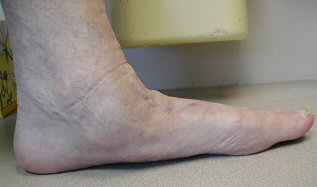
Figure 2 – Flat foot secondary to Posterior Tibial Dysfunction
Treatment of Posterior Tibial Tendon Dysfunction – Surgery Should be the Last Resort
We can usually treat PTD with conservative treatment, and surgery is rarely indicated. It is important, however, to be seen as soon as possible for a complete evaluation to help prevent damage to the foot.
Diagnostic testing will include muscle tests, gait evaluation and x-rays. An MRI may be ordered to evaluate the integrity of the tendon. If the tendon is injured we will discuss options for treatment or repair of the tendon. Sometimes a period of immobilization is necessary.
Orthotics for Adult Acquired Flatfoot
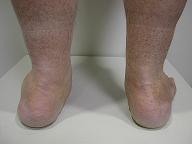
Figure 3 – Flat foot secondary to Posterior Tibial Dysfunction
Most PTD is treated long-term with orthotic devices. Very specialized orthotics are often needed. Those orthotics will usually have:
- Greater width than average orthotics
- Increased depth of the orthotic around the heel
- Specialized wedging against the inside heel to stop the heel from rolling in
The most important feature that an orthotic must include to support this type of foot is a “medial flange“. This is a portion of the orthotic that wraps up around the inside arch. Without a medial flange the orthotic is unlikely to provide adequate support for this foot type.
Orthotics for PTD and other forms of flat foot are very specialized. You can learn more about orthotics for flat feet here.
Shoe Modifications for Posterior Tibial Tendon Dysfunction
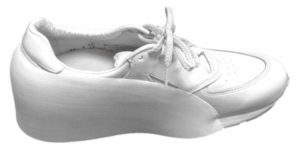
There are several modifications that can be made to shoes that can help support a foot with posterior tibial tendon dysfunction. Shoe modifications include:
Medial Buttress with Medial Flare: This is a modification added to the inside of the shoe that increases the stability of the shoe on the inside and also made a wider base to increase support. The pictures shoe a medial buttress and flare added to walking shoes.
We often prescribe shoe modifications along with foot orthotics to provide the best possible support of the very flat foot. In most cases you will want to first get your orthotics, then purchase shoes and after that we have the shoe modified.
Ankle-Foot Orthotics for Posterior Tibial Tendon Dysfunction
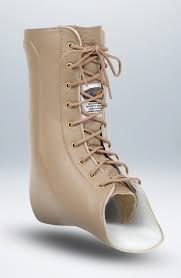
Sometimes orthotics cannot provide enough control and in those cases we must prescribe an Ankle-Foot Orthotics (AFOs). The advantage of ankle-foot orthotics is that they offer more support than foot orthotics because they go above the level of the ankle joint. The disadvantage is that they are bulkier and in general more of a hassle to wear. You can learn more about ankle-foot orthotics here.
Home Treatment for Adult Acquired Flatfoot Due to Posterior Tibial Tendon Dysfunction
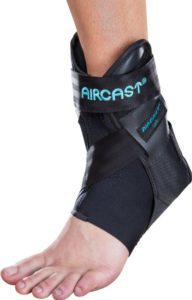
This is not a condition that should be self treated. Proper support of the foot can prevent long-term tendon damage and also help prevent foot and ankle arthritis. Our advice is to find a podiatrist in your area who specializes in orthotic therapy.
While you are waiting to be seen by a podiatrist, however, we do recommend a specific ankle brace. This is the Aircast PTTD Ankle Brace. This brace is made specifically for this condition. This ankle brace includes an air bladder that can be pumped up to support the arch and the ankle. You can see the Aircast PTTD Brace here.
While you are waiting for proper treatment we recommend wearing this brace every moment you are bearing weight.
Contact Us for Treatment of Adult Acquired Flatfoot
We are specialists in treating severe flat foot deformities including PTD. Our goal is to treat the problem without surgery. The sooner you visit us, the more likely we will be able to help you with conservative treatment.
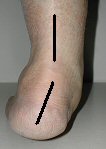
Figure 2 – Heel does not turn inward with single leg toe rise maneuver due to Posterior Tibial Dysfunction
If you suspect that you or a loved one may have posterior tibialis dysfunction (PTD), contact us today for an appointment in our Seattle office.
A list of articles from the medical literature related to the use of orthotics in the treatment of Posterior Tibialis Dysfunction is available on our bibliography page.
The doctors at the Foot and Ankle Center of Washington are among the Puget Sound area’s best and most experienced in treating flat feet both conservatively and surgically. Don’t live with pain due to flat feet. Contact us today for an appointment in our Seattle office.
