




Tendonitis is a common foot problem as our feet take tremendous amounts of stress and rarely get to rest. Peroneal Tendonitis is one of the more common forms of tendonitis that we treat. With this problem your foot may hurt along the lateral (outside) portion. You may also feel sore on the outside of your ankle or have a painful leg.
If you think you may have peroneal tendonitis make an appointment right away to see us in our Seattle clinic. We are experts in treating peroneal tendon injuries fast and effectively.
Video: How to Treat Peroneal Tendonitis
Anatomy of the Peroneal Tendons
There are two peroneal tendons – a short one (peroneus brevis) and a long one (peroneus longus). The peroneal tendons start on the outside of the calf and runs behind the ankle bone on the outside of the ankle. The brevis tendon attaches into the base of the 5th metatarsal, while the longus turns to run along the bottom of the foot and attach into the base of the first metatarsal.
A tremendous amount of tension and stress is placed is on this tendon with every step as it helps to support the foot. The amount of stress on the tendon varies from person to person depending on the shape of their foot (flatfeet versus a very high arch).
Symptoms and Diagnosis of Peroneal Tendonitis
Symptoms of peroneal tendonitis include pain and swelling along the outside of the ankle and along the course of the tendon. There is often pain on the outside (lateral portion) of the foot. Pain is present with walking, exercise or just standing. This discomfort will usually increase over time. This pain initially is absent when at rest but may progress to the point where pain is present even when not active. In advanced cases the injury to the tendon that started as tendonitis may result in a full or partial tear of the tendon.
We can usually make this diagnosis very easily by history and examination. Sometimes we will perform an in-office diagnostic ultrasound or order an MRI to determine the extent of damage to the tendon.
Initial Treatment
Treatment can depend on how long the symptoms have been present and the amount of strength that is lost (if any) in the tendon. Initial treatment may include:
- Anti-inflammatory medication
- Orthotics with wedging to reduce tension on the peroneals.
- Physical therapy
- Taping
- Rest
Orthotics for Peroneal Tendonitis
Orthotics for this problem are designed specifically to reduce tension on the injured peroneal tendon. This often requires an orthotic that is deeper than normal around the outside of the heel and incorporates special wedging directly under the heel to reduce tension on the peroneal tendons.
Additional wedges are often added under the orthotic heel and under the metatarsal heads to further decrease tension on the peroneal tendons.
The correct orthotic can not only help heal the tendon by reducing tension on it but can also help prevent recurrence of the problem.
Disclaimer: This page contains affiliate links, meaning we receive a commission if you decide to make a purchase through our links, but this is at no additional cost to you. Please read our disclosure for more info.
Prefabricated Orthotics for Peroneal Tendonitis
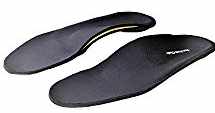
Often a high quality prefabricated orthotic works well for peroneal tendonitis. Our recommended prefab orthotics for peroneal tendonitis is the FootChair Podiatrist Designed Orthotic. This is the only prefab orthotic to incorporate an adjustable arch that can help improve both comfort and function.
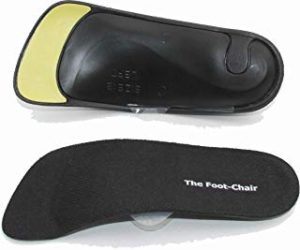
For smaller shoes including high heels, flats and soccer cleats, the recommended OTC arch support is the FootChair Slim Orthotic with adjustable arch support. It’s the only effective OTC arch support we have found to fit in women’s heels and flats. It has the same exceptional adjustable arch support as the full-size FootChair but with a much slimmer profile. In addition it flexes to adapt to most heel heights.
In our clinic we often add specific modifications to the prefab orthotics to decrease tension on the peroneals. If you see a podiatrist be sure to take your arch supports with you so they can be modified.
Custom Orthotics for Peroneal Tendonitis
If we are not able to adequately reduce the tension on the peroneal tendons with modified prefabricated orthotics, then we will next create correctly prescribed custom orthotics. cCustom orthotics can be designed to more effectively reduce tension on the peroneal tendons. In addition, they last longer and are often covered by insurance. Because they cost more, however, we usually begin treatment with modified prefabricated orthoses.
Reducing Inflammation
Once we reduce tension on the peroneal tendons, then we want to reduce any acute inflammation. This might involve icing, medications, rest or physical therapy.
Shockwave Therapy for Peroneal Tendonitis
If reduction of tension and inflammation does not provide rapid relief, the next step in treatment is to stimulate healing of the tissue. The treatment with the best evidence at stimulating healing of tendon is Shockwave Therapy.
Extracorporeal shockwave therapy is a conservative treatment for disorders of many tendons and has been shown to be a safe and effective method to stimulate healing of tendon. It involves 4 – 5 sessions of shockwave therapy, each about 1 week apart. Treatments create only very mild discomfort in most patients.
In a 2018 study of about 400 subjects, for example, “Shockwave therapy significantly reduced the pain that accompanies tendinopathies and improves functionality and quality of life. It might be first choice because of its effectiveness and safety”(1).
How Does Shockwave Therapy Work to Heal Tendon?
Shockwave therapy works by stimulating healing of tendon in two ways:
- Neo-vascularisation: Shockwave therapy helps create new blood vessels locally. The improved blood flow helps tendon heal.
- Release of growth factors: Growth factors are proteins that stimulate tenocytes – the cells that repair tendon.
Shockwave Works 70% – 80% of the Time Based on the Best Available Evidence
Most studies show shockwave works approximately 70% – 80% of the time to eliminate the pain of tendonitis. In a 2018 meta-analysis (analysis of multiple studies), “Extracorporeal shock wave therapy exerted a positive overall effect on pain and function for lower-limb tendinopathy. Shock wave types and dosage levels may have different contributions to treatment efficacy.”(2)
In a 2015 systemic review, The British Medical Bulletin stated that “Extracorporeal shock wave therapy (ESWT) is an effective and safe non-invasive treatment option for tendon and other pathologies of the musculoskeletal system.” (3)
As with all modalities, Shockwave Therapy has both advantages and disadvantages:
Advantages of Shockwave for Peroneal Tendonitis:
- Appears to work by stimulating healing of the tendon, rather than masking it as anti-inflammatory medications might.
- Studies on most tendons show about 70 – 80% effectiveness at healing the tendon.
- Safe – there are no side effects at all.
Disadvantages of Shockwave for Peroneal Tendonitis:
- Because shockwave acts to stimulate a healing process, improvement tends to be slow. You should not expect rapid relief. Maximum clinical benefits are found at 12 – 20 weeks with an average of 16 weeks to maximum benefit.
- Shockwave therapy is not covered by insurance. The cost is $200 per session. 6 sessions are recommended.
- While there are multiple studies showing the benefits of shockwave for tendonopathies, there are currently no high-level studies specifically on shockwave for the peroneal tendons. Studies on other tendons including the patellar, Achilles, rotator cuff and supraspinatus have been very positive. It is expected that the physiologic effects would be the same on the peroneal tendons.
You can learn more about shockwave therapy here.
Video: How to Tape for Peroneal Tendonitis
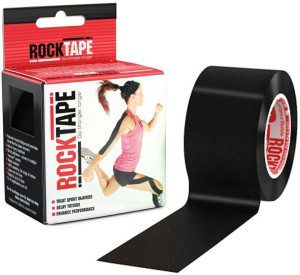
The taping technique demontrated in this video is very effective at reducing tension on the peroneal tendons and easy to apply yourself. We recommend using Rocktape or another kinesiology tape as these tapes are much more gentle on the skin than standard athletic tapes. You can get Rocktape here.
Treatment for Resistant Cases
This problem should be treated as early as possible in order to prevent damage to the tendon. Contact us at our Seattle clinic right away if you are having symptoms.
In more severe cases we may place you in a removable cast (walking boot) from two to four weeks to allow the tendon to completely rest without placing the day-to-day demands of walking on it. If these measures fail to produce acceptable results surgical intervention may be necessary to clean around the tendon and repair any defects in the tendon. Surgical repair is rarely necessary, particularly with proper orthotics to reduce tension on the tendons and shockwave to stimulate healing of the tendons.
Self-Treatment of Peroneal Tendonitis
If you have a mild case of peroneal pain and want to try home treatments first then try our 8-step peroneal tendonitis home treatment plan. If you are not seeing significnant improvement within 3 weeks, however, be sure to make an appointment to see us.
References:
(1) Effectiveness and Safety of Shockwave Therapy in Tendinopathies. Vasileios Dedes, et al. Mater Sociomed. 2018 Jun; 30(2): 131–146
(2) Efficacy of Extracorporeal Shock Wave Therapy for Lower-Limb Tendinopathy: A Meta-analysis of Randomized Controlled Trials. Liao CD, et. al. Am J Phys Med Rehabil. 2018 Sep
(3) Efficacy and safety of extracorporeal shock wave therapy for orthopedic conditions: a systematic review on studies listed in the PEDro database. Christoph Schmitz, et. al. British Medical Bulletin, Volume 116, Issue 1, December 2015
