




Orthotics for Heavier People
Being overweight or heavy places extreme force on your feet. This can lead to pain in the heels, arches, ball of feet, ankles and knees. In turn this pain can make exercising difficult leading to more weight gain. In addition, the forces placed on the feet when carrying excess weight can cause long-term foot and ankle damage, including arthritis.
Orthotics can be a very effective treatment for these problems, and will usually eliminate the foot pain caused by carrying excessive weight. In many cases, however, the high forces that are put on an orthotic when someone is heavy makes the orthotic ineffective, uncomfortable or both. This can make it difficult for overweight or obese people to find orthotics that work well for them.
More than almost any other group, people who are overweight benefit from well-made orthotics. Orthotics can counteract the high forces that damage the feet and ankles helping to relieve pain and prevent long-term damage. An added bonus is that by relieving the pain it is easier to exercise and lose weight.
Protect your feet now by making an appointment to see us in our Seattle foot and ankle clinic.
Video: Don’t Let Foot Pain Stop You From Losing Weight
Being overweight or heavy places extreme force on your feet. This can lead to pain in the heels, arches, ball of feet, ankles and knees. In turn this pain can make exercising difficult leading to more weight gain. In addition, the forces placed on the feet when carrying excess weight can cause long-term foot and ankle damage, including arthritis.
Orthotics can be a very effective treatment for these problems, and will usually eliminate the foot pain caused by carrying excessive weight. In many cases, however, the high forces that are put on an orthotic when someone is heavy makes the orthotic ineffective, uncomfortable or both. This can make it difficult for overweight or obese people to find orthotics that work well for them.
More than almost any other group, people who are overweight benefit from well-made orthotics. Orthotics can counteract the high forces that damage the feet and ankles helping to relieve pain and prevent long-term damage. An added bonus is that by relieving the pain it is easier to exercise and lose weight.
Protect your feet now by making an appointment to see us in our Seattle foot and ankle clinic.
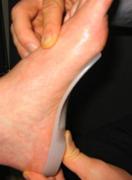
Figure 1: Orthotic with a tight fit to the arch
Orthotics for an overweight / obese patient must be prescribed in a very specific manner:
- They must be relatively firm to counteract the high forces placed on the feet, ankles and legs.
- They must be a little wider than most orthotics in order to spread force over a larger surface area.
- They must be as wide as your foot so that the inside edge of the orthotic does not dig into your foot.
- They must conform very closely to the arch of the foot in order to prevent arch collapse. In fact, the arch of the orthotic should be nearly airtight to the arch of your foot. These are called “total contact orthotics” (Figure 1)
- There is a critical need for extra shock absorption to decrease excessive force on cartilage in joints and help prevent arthritis. This means that although the orthotic itself will be fairly firm, there is often a soft cushioned layer on top.
- Orthotics must be 100% comfortable
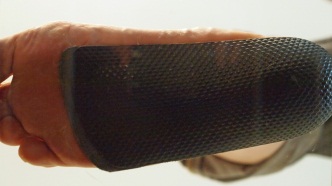
Figure 2: Bottom of foot on orthotic that is too narrow. Foot hangs over edge of orthotic.
Why Orthotics Often Fail in Overweight People
Many people have tried orthotics and found that they did not provide the relief they needed or were uncomfortable. This is especially common in people who are heavy. The most common reason for this is that the orthotics are not prescribed correctly and are too narrow for the patient. When an orthotic is too narrow the bottom of the foot hangs over the inside edge of the orthotic (Figure 2).
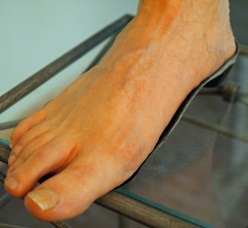
Figure 3: Orthotic full width of foot, supporting entire arch
This causes excessive pressure on the bottom of the foot leading to pain and irritation. Because heavier people have more force on their feet, these patients have more pain from orthotics that are too narrow. Orthotics for heavier people should be made so that the orthotic supports the entire bottom of the foot (Figure 3).
Best Over-the-Counter Arch Support for Heavier People
If you are carrying extra weight you will often need a custom orthotic for complete relief of symptoms, but we have found some prefabricated orthotics that are both stable enough and wide enough to be effective if you are carrying a considerable amount of extra weight. 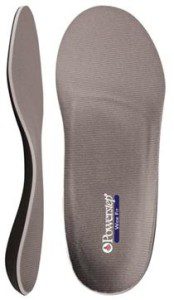
The best OTC arch support we have found for heavier people is the PowerStep Wide Orthotic. This is the only OTC orthotic we have found that provides adequate support and width. Try it for a month in your most stable shoes. If that does not relieve the pain then see a podiatrist in your area who specializes in orthotic therapy. This orthotic is for full size lace-up shoes only. See below for an orthotic for smaller shoes.
If you need a prefabricated orthotic for smaller shoes (including high heels, flats and smaller sports shoes such as 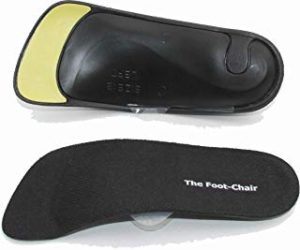 soccer cleats we recommend the FootChair Slim Orthotic. This unique orthotic has an adjustable arch height (through the use of pads that can be applied to raise the arch) so it provides exceptional arch support in a very slim profile.
The combination of the PowerStep Wide for full size shoes and the FootChair Slim for smaller shoes will allow for great support in most shoes.
Arch Problems in Overweight People
Your arch should act as a shock absorber for your entire body. With every step we place up to five times our body weight on our feet, depending on whether we are running, walking, or jumping. Without this shock absorbing function of the arch, we would eventually fracture or injure the bones in our lower extremities.
When the arch is flatter than it should be, or has collapsed, it is not able to act effectively at absorbing shock. Without protection, this will lead to further collapse of the arch and further decrease in shock absorption. This leads to pain in the feet, ankles, legs, knees, hips and back. Over time it can lead to arthritis.
How excessive body weight causes the arch to collapse:
A normal arch is composed of bones and joints which are held together in a tight and precise relationship. When the arch is forced to flatten, the ligaments and tendons which connect the bones and joints become stretched, leading to arch collapse. Excessive weight is the #1 cause of flat feet (collapsed arches) in both adults and children today!
If the arches are not protected from becoming flat, or if they are already flat and left untreated, then the overweight person can expect to experience one or more of the following painful and debilitating conditions:
- Pronation
- Heel pain and arch pain (plantar fasciitis)
- Frequent ankle sprains.
- Shin splints (pain in the front or sides of the lower leg).
- Knee, hip, and lower back pain
If you are overweight and have a very flat foot you have a particularly difficult problem to treat. But we can help you. Along with the orthotic modifications listed above, we will also incorporate some specific modifications for flat feet. You can read about orthotics for flat feet here.
Maintaining a healthy body weight is critical for your overall health. Don’t let foot pain stop you from exercising and losing weight. With the correct orthotics and shoes we can almost always provide you with the ability to walk and exercise without foot pain. Contact us today for an appointment in our Seattle foot and ankle clinic.
