




Treatment of bunions is one our primary specialties. In most cases we can eliminate bunion pain without resorting to surgery and, in fact, we believe surgery should be your last resort. Below you will find a detailed guide to conservative treatment of bunions. For information specifically on bunion surgery, you will find our complete Guide to Bunion Surgery here.
Video: What Causes Bunions?
What Are Bunions and How Are They Treated?
The big toe joint is a surprisingly complicated structure and there are many conditions that can affect it. If you are experiencing pain in your big toe joint, you likely have one of three related conditions:
- Bunions – Enlargement of the big toe joint
- Hallux Limitus – Pain in the big toe joint due to too much pressure
- Hallux Rigidus – Arthritis in the big toe joint
All of these conditions can usually be treated non-surgically but if left untreated, will get worse over time. Bunions and big toe joint problems are among the most common conditions foot and toe conditions we treat. In most cases, the professionals at the Foot & Ankle Center can help you achieve complete pain relief using non-surgical treatment. If you are experiencing any discoloration, pain, swelling, numbness or other problems associated with your great toe or bunions on either side of your foot, contact us today for an appointment.
On this page, you can find out all about bunions including causes, treatments and second opinions. Click one of the items below to get answers to all your questions about bunions.
- What is a bunion?
- What is a Tailor’s bunion?
- What causes bunions and big toe pain?
- What is the treatment for bunions?
- What are other big toe issues that can cause pain?
- How does shoe choice affect a bunion?
- How can orthotics can relieve bunions?
- When is surgery recommended for bunions or big toe pain?
- Why do you need a second opinion before bunion surgery?
- How can you prevent bunions from forming?
What is a bunion?
A bunion is a bony hump that forms at the base of the big toe on the outside near where it attaches to the foot. This happens when the big toe moves toward the second toe in an angular manner. This pushes on the base of the big toe which pushes on the first metatarsal (the bone below the big toe) and causes a bump on the big toe joint where they come together. The angled toes and bump on the outside of the joint are known as a bunion deformity. It is also called Hallux Abducto Valgus or HAV.
The tendency to form bunions is often hereditary. The bunion itself is not hereditary, but hereditary foot conditions can make you more prone to them. Shoes do not usually cause bunions, although the wrong shoes can make existing bunions more painful. HAV/bunions are progressive. In many cases, treatment can slow or stop the progression of bunions and help prevent further joint damage or the need for surgery.
What is a Tailor’s bunion?
A Tailor’s bunion, also known as a bunionette, is a bunion on the little toe joint that forms on the outside of the foot. The condition is named after tailors because they commonly developed them from sitting cross legged on the ground for extended periods which rubbed on the outsides of their feet. Today, Tailor’s bunion can be caused by wearing shoes that are too narrow which rub against the foot and cause pressure. In addition to choosing shoes that are a better fit, click here for information on treatment options for Tailor’s bunions including home treatments.
What causes bunions and big toe pain?
When you walk, during the last part of each step just before the foot comes off the ground, the big toe joint should normally bend upwards about 75 degrees. If this natural motion is not allowed, pain and deformity can develop.
Here are some foot issues and other causes that can encourage formation of bunions:
- Foot structure problems
- Arthritis
- Leg length differences
- Over-pronating feet that roll out and push the big toe joint into the ground
- Extensive wear of tight, badly fitting shoes or high heels
What is the treatment for bunions?
Bunions and big toe joint pain should be diagnosed and treated as soon as possible. Left untreated, these problems will only get worse – bunions can get bigger or the joint can develop arthritis. Bunion treatment will vary depending on your foot type, severity of the bunion, your activity level and your symptoms. The primary purpose of early treatment is to relieve pressure within the big toe joint and diminish the progression of joint damage.
We always recommend exhausting conservative treatment options before ever considering surgery and only recommend surgery as a last resort. Depending on your particular circumstances, we will recommend one or more of these conservative therapies:
- Custom foot orthotics prescribed and custom cast to relieve pressure in the big toe joint
- Shoe therapy including changes to foot wear selection and/or modifications to your shoes
- Accommodative Padding
The experts at the Foot & Ankle Center in Seattle can usually eliminate your pain and protect your joint from further damage without having to do surgery. Click here to learn about self- treatment options for bunions.
What are other big toe issues that can cause pain?
Dr. Hale and Dr. Huppin of the Foot & Ankle Center are experts at treating all big toe joint problems including bunions, arthritis and injuries. In addition to bunions, the following conditions can cause big toe pain:
Hallux Limitus
Also known as big toe joint pain, hallux limitus is a condition where the big toe joint doesn’t move as it should due to abnormal foot mechanics. When the big toe cannot bend upward as it naturally should, excessive force builds up inside the joint each time you take a step. In the short term, this “joint jamming” can lead to joint pain and, in the long term, it can lead to arthritis in the big toe joint.
People with hallux limitus will have pain in the joint when they walk and sometimes after activity. Some shoes may aggravate this pain. There may or may not be visible changes to the joint and a bunion may or may not be present. Pain in the big toe joint is a sign of ongoing damage, so you should not ignore the pain. Hallux limitus is progressive and early treatment can help prevent future problems.
Click here to learn how to eliminate the pain of hallux limitus and protect your toe joints.
Hallux Rigidus
Also known as big toe joint arthritis, hallux rigidus literally means “rigid big toe” and is a degenerative condition. This type of arthritis is caused by wear and tear on the foot due to conditions like fallen arches, foot/ankle over-pronation, inflammatory disease like gout or rheumatoid arthritis or from an injury. Hallux rigidus can make every step painful.
In most cases, our foot pain experts can usually eliminate the pain of big toe arthritis without resorting to surgical intervention. But if all conservative treatment options have been exhausted and you are still in pain, there are very effective surgical options available and we have the surgical expertise to get you the best outcome and back on your feet.
Numb Big Toe
Numbness in the toes can be caused by nerve damage due to disease, but is more commonly caused by biomechanical conditions that put pressure on the nerves on the side of the foot. If the numbness is caused by physical stress, this can be easily remedied to restore sensation. Click here to see how to take pressure off of these nerves in order to prevent numbness.
Turf Toe
Also known as a sprain of the big toe joint, turf toe should be evaluated and treated promptly to prevent long term problems. Although more common in football players, turf toe can affect soccer players, gymnasts, dancers and wrestlers. Click here to learn about self-treatment options for turf toe and to learn more about turf toe injuries.
How does shoe choice affect a bunion?
While the tendency toward bunions is mostly hereditary, your choice of shoes can exacerbate that tendency or directly cause your big toe to turn inward toward the second toe causing a lump at the big toe joint. In particular, shoes that are too tight or have pointed toes, closed-toes and/or high heels can cause bunions or hasten development in those genetically predisposed to bunion formation.
Too-tight shoes force the big toe inward to conform to the shape of the shoe. As it is forced inward, a lump develops at the joint which can lead to pain and discomfort. Whether or not you are genetically predisposed toward bunions, the shoes you wear affect your feet and your toes, in particular. We recommend shoes with a soft upper, sport shoes and open-toed shoes.
High-heeled shoes are particularly bad for your toes but men also suffer from bunions because of close-toed business shoes. And once you’ve developed a bunion, the shoes you wear will have a profound effect on the amount of pain the bunion causes. Left untreated, bunions may lead to a more serious condition known as Hallux Rigidus (arthritis in the big toe joint).
How can orthotics can relieve bunions?
Read our Guide to Orthotics for Bunions and Big Toe Joint Pain here for more detailed information.
Custom Orthotics for Big Toe Joint Problems
Custom orthotics are useful to control abnormal foot mechanics and prevent the need for surgery. Orthotics for big toe joint problems are designed specifically to help decompress the big toe joint and decrease the chance of joint damage. To ensure best outcomes we first perform a detailed examination of how you walk and how your big toe joint works, including slow motion video analysis.
While you are off your feet, a mold of your foot will be made with the foot held in the position that provides the best function of the big toe joint. Your custom orthotic device will be made from this mold designed to best protect the joints. Studies indicate that a total contact foot orthotic (orthotics that conform very closely to the arch of your foot) works best job to help the big toe joint work properly.
Custom orthotics can help decrease pain and possibly prevent progression. They are the most effective, conservative treatment for existing bunions and to prevent bunion formation. Personally fitted orthoticswill conform to the arch of your foot, provide superior support and stability and prevent over-pronation.
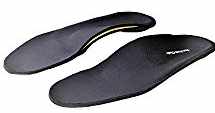
FootChair Adjustable Arch Orthotic
Prefabricated Orthotics for Big Toe Joint Problems
The products below are ones we recommend to our patients and they are also affiliate links so we may receive a small commission at no additional cost to you if you decide to make a purchase through our links. Please read our disclosure for more info.
Although not as effective as a well designed custom orthotic, a prefabricated orthotic that conforms close to the arch of the foot can be very effective at reducing big toe joint page.
Our recommended prefabricated orthotic for bunions and other big toe joint conditions is the FootChair Medical Grade Orthotic. This has the best arch height we have found on an over-the-counter arch support to transfer pressure off of the big toe joint due to an arch that is adjustable via pads that can be inserted under the cover.
For dress shoes (high heels and flats) and smaller sport shoes (such as soccer cleats) FootChair also makes a much slimmer profile 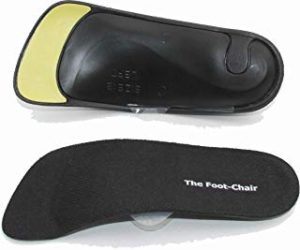 orthotic with the same exceptional adjustable arch support. The FootChair Slim Orthotic will fit in high heels. cleats and other low profile shoes. It also flexes to adjust to most heel heights.
When is surgery recommended for bunions or big toe pain?
If your bunion or big toe pain limits your activities and all conservative options have failed, surgery may be necessary. Joint pain may be a sign of degeneration of joint cartilage. One of the goals in surgery is to realign the joint to prevent further loss of joint cartilage. After bunion surgery, both pain and joint deformity can be reduced significantly for most patients.
Because bunion surgery realigns joint, the foot should then be able to carry the body’s weight more normally and special shoes should no longer be required. Postoperative orthotics may be recommended to improve foot function and limit excessive force within the great toe joint. Click here for our Guide to Bunion Surgery.
Why do you need a second opinion before bunion surgery?
If you have a painful bunion that didn’t responding to treatment your current doctor recommended or if your doctor has recommended surgery, please make an appointment at the Foot & Ankle Center for a second opinion before you go under the knife or have orthotics made for bunions. We are Seattle’s bunion specialists and can usually eliminate bunion pain without resorting to surgery.
Although we consider surgery a last resort, if surgery is the only option, we have the region’s top bunion surgeon on staff who will explain all the surgical options for your particular type of bunion. There are many ways to perform bunion surgery but the appropriate option will differ by patient. Before recommending surgery, we will discuss non-surgical alternatives that may provide relief.
We have more than 20 years experience helping patients with bunions and always stay abreast on the very latest research on bunions, bunion therapy and bunion surgery. When you come to us for a second opinion on your bunion, we will:
- Take a complete history
- Conduct a physical examination of your feet
- Evaluate your biomechanics
- Evaluate your gait (if necessary)
- In-depth evaluation of any orthotics or arch supports you have (sometimes bunion pain doesn’t get better because your orthotics weren’t specifically designed to treat bunions)
- Evaluate your shoes
Once we gather this information, we offer you a detailed yet easy to understand explanation of our findings and our recommendations for a treatment plan to eliminate your bunion problems. This may include custom orthotics or surgical options for your bunions. We will also discuss how to prevent your bunions from returning should you have surgery.
Please bring the following items to your second opinion appointment:
- Any foot x-rays
- Any other imaging of your feet including CT scans, MRIs, etc.
- Any written reports from the radiologist (if available)
- Chart notes from other doctors who have treated your bunions
- Any foot orthotics or arch supports you wear now or have worn in the past
- A selection of shoes you most commonly wear
To get your treatment records, click here to download a request form. Complete and send to all physicians that have treated your bunions/big toe pain. It can also be helpful for you to write a statement explaining your foot problems, any treatments and outcomes. This is not necessary but can be very helpful. Second opinions can ensure you receive the best medical care possible.
Before deciding on a course of treatment, especially bunion surgery, you want to ensure you have all the information to make the best possible decision. Even if we agree 100% with your current bunion treatment plan, we can almost always offer additional insight to help reduce your pain, prevent surgery, make surgery easier or prevent recurrence of bunions after surgery.
How can you prevent bunions from forming?
The most effective treatment for bunions is to prevent them in the first place. If you are looking for help on how to prevent bunions, we recommend:
- Choosing stable shoes with support to prevent over-pronation. This includes wearing the proper shoes for your foot-type and your activities.
- Having shoes modified by stretching the width, toe box or a stretch of the shoe to accommodate the bony protrusion of the bunion.
- Over the counter orthotics or arch supports may help prevent bunions. Increased arch support helps better distribute weight and can help reduce the tendency to over-pronate while walking.
We have found that one of the most effective OTC orthotic is the FootChair Podiatrist Designed Adjustable Arch Orthotic. This is a good over-the-counter arch support to transfer pressure off of the ball of the foot due to adjustable arch via pads that can be inserted under the cover.
FootChair Adjustable Arch Orthotic
But the most effective, conservative treatment for bunions and to prevent bunions is custom orthotics therapy. These custom-made and personally fitted orthotics will conform to the arch of your foot, provide superior support and stability and prevent over-pronation.
Contact us today for treatment of big toe pain and bunions
Dr. Douglas S. Hale and Dr. Lawrence Z. Huppin are highly skilled, experienced foot and ankle physicians. Dr. Huppin is a professor of orthotics and biomechanics at two prestigious podiatry colleges and Dr. Hale is the director of the foot and ankle residency and renown Swedish Medical Cetner. They are nationally recognized experts in the use of custom total contact orthotics for the conservative treatment of a variety of foot conditions including bunions and over-pronation.
If you have a lump on your big toe joint or if your big toe points inward, it is likely you’ve developed a bunion. For treatment and pain relief, please make an appointment at the Foot & Ankle Center of Washington. Please bring at least one pair of shoes with you and any prior treatment records for your bunion or big toe pain.
