




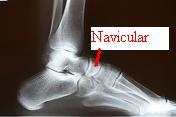
 Stress fractures of the navicular bone are a relatively common foot injury – especially in athletes. Navicular stress fractures are most likely to occur in athletes who participate in sports with a lot of jumping and direction change, such as basketball, soccer, high jumpers and sprinters.
Navicular Stress Fracture
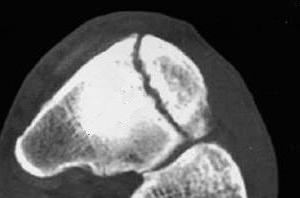
Figure 1: Navicular stress fracture.
A navicular stress fracture, figure 1, is an injury to the bone on the inside of the foot between the ankle bone and the midfoot. People with navicular injury typically have vague pain in the mid portion of the foot – just in front of the ankle. Initially, the pain is worse during and just after athletic activity and reduces with a period of rest. Later, or in more severe navicular injuries, pain can occur with more sedate activities such as walking. Usually, patients do not have a history of an acute injury. Instead, most patients describe a kind of nagging pain that gets worse over time. This can be a problem as it can lead to a delay in diagnosis.
Diagnosis of Navicular Stress Fractures
We suspect a navicular stress fracture when a patient has pain with direct pressure on the top of navicular bone. directly over the navicular bone. Sometimes there is a little swelling in the area. On occasion, the navicular stress fracture is seen on x-ray, but often requires a bone scan, CT scan or an MRI to be seen.
 Treatment of Navicular Fractures – Phase 1
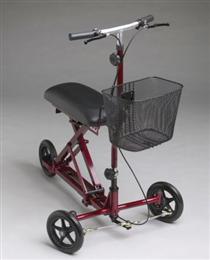
If not treated correctly navicular stress fractures tend not to heal. It is critical to eliminate pressure on the bone to allow it to heal. If you suspect you may have a navicular injury make an immediate appointment to see us in Seattle or a podiatrist in your area. You will have to be in a cast or a “removable cast” and not bearing weight for weeks. You can stay non-weight bearing by using crutches or a “knee walker” like the one at right. Most patients spend about 6 weeks in a cast, but some patients may need to be in one longer. If you still have pain with pressure on top of the navicular after 6 weeks, you will spend more weeks non-weightbearing. In a small percentage of patients, the navicular stress fracture will not heal and may require surgery.
Treatment of Navicular Fractures Phase 2 – Protect with Orthotic
When you come out of the cast we have patients spend the next several months wearing a stable shoe with an orthotic that conforms very tight to the arch of the foot in order to reduce pressure on the navicular. These “total contact orthotics” act to transfer pressure off of the injured area and onto other parts of your foot.
If you do not have a custom orthotic, then you must wear a very stable prefabricated orthotic in your shoes. We 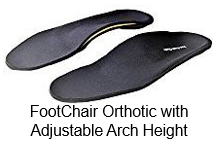 usually recommend the FootChair Medical Grade Orthotic as it is the most stable prefabricated orthosis we have found.
FootChair orthothics also come with pads that can be added under the cover to increase the arch height. This increased arch height can protect the navicular.
Slippers and Sandals to Protect the Navicular
Around the house we have patients wear Vionic sandals or slippers which have 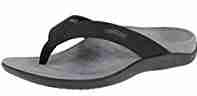 exceptional arch support and will help reduce pressure on the navicular.
Shoes to Protect the Navicular
It is also critical to wear stable shoes. Use our List of Recommended Shoes to find a good one. We often 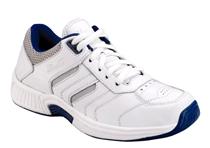 recommend Orthofeet shoes. See Orthofeet Shoes for Women and Orthofeet Shoes for Men here.
