




Calcaneal Apophysitis (Sever’s Disease) | Most Common Cause of Heel Pain in Kids
Video: Heel Pain in Children – What Parents Need to Know
Heel pain is one of the more common foot complaints in children. When children get heel pain, the most common cause is a disturbance to the growth plate at the back of the heel bone (calcaneus) where the strong Achilles tendon attaches to it.
This is known as Sever’s disease or calcaneal apophysitis (inflammation of the growth plate). Apophysitis is most common between the ages of 9 to 14 years of age. This is one of several different growth plate conditions that can occur in the body, such as at the knee (Osgood-Schlatters Disease).
Heel pain in children is one of our specialties at our Seattle Foot and Ankle clinic and we can usually treat your child in a manner that will relieve their pain quickly and help prevent the problem from returning. When treating kids with heel pain our first goal is to confirm the correct diagnosis and then institute a treatment plan to get them back to activity as soon as possible.
Treatment of Children’s Heel Pain
Evaluation of a child’s heel pain by a pediatric foot specialist is often wise. Besides calcaneal apophysitis there are a few very rare problems that may be causing the pain, so a correct diagnosis is important.
Once we confirm that the problem is due to calcaneal apophysitis we have two primary goals:
1. Use Prefabricated or Custom Orthotics to Reduce Tension on the Heel Bone Growth Plate
The first goal is to reduce tension on the tendons and ligaments that pull on the growth plate of the heel bone. We usually do this with a prefabricated arch support or a custom orthotic along with heel lifts.
To keep costs down, we usually start with a prefabricated orthotic and modify it to provide the best result for your child. If this doesn’t provide adequate relief, then we will consider a custom orthotic.
Custom orthotics work better because, if they are made correctly, they conform tighter to the arch of the foot and thus transfer more pressure off of the heel. These are called total contact orthotics.
Your child will likely wear the arch supports or custom orthotics until their growth plate has closed enough that the pain is unlikely to return – usually between the ages of 12 – 14.
2. Reduce Inflammation and Pain
The second goal is to reduce inflammation and pain. This may include icing, stretching, medication, activity modification and/or physical therapy. In rare cases we need to use a removable walking cast for a couple of weeks.
We’ll also work with you and your child to make sure they have the appropriate shoes for their activities. Our goal is not only to cure the current problem, but also to prevent it from returning.
Dr. Huppin and Dr. Hale are Seattle’s specialists in children’s heel pain. You can make an appointment to see us here.
Self-Treatment of Heel Pain in Kids
If you are not able to see a pediatric podiatrist right away, here are some home treatment options you can try. If you don’t see improvement within a week we recommend you see a podiatrist who specializes in chidlrens’ foot conditions.
The products below are the ones we recommend to our patients and they are also affiliate links so we may receive a small commission at no additional cost to you if you order from the link.
- Cut back on running and sporting activities. We will want to get your child back to activity as soon as possible, but until you have a difinitive diagnosis from us or your pediatrician then we recommend no running sports.
- Don’t allow your child to go barefoot. They should be wearing shoes with an arch support (or the arch support sandals below) at all times when weight bearing until the heel is 100% better.
- Use arch supports in your child’s shoes.

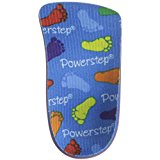
- Our favorite arch support for younger children‘s heel pain (up to kids size 13) is the PowerStep PowerKids Orthotic This podiatrist designed device is the best OTC orthotic for reducing pressure on the heel in younger children. It has a higher than average arch so it transfers pressure most effectively. It also has a deep heel cup that will protect the heel.

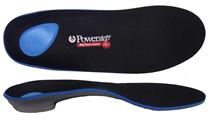
- For older kids (usually above age 9 or so), we recommend the PowerStep ProTech. This is an adult device but the smaller sizes
usually work well for older kids.
- Our favorite arch support for younger children‘s heel pain (up to kids size 13) is the PowerStep PowerKids Orthotic This podiatrist designed device is the best OTC orthotic for reducing pressure on the heel in younger children. It has a higher than average arch so it transfers pressure most effectively. It also has a deep heel cup that will protect the heel.
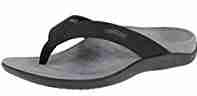
- Wear arch support sandals in the house. If you child has a foot larger than a women’s size 5 they can get
 a Vionic Arch Support Sandal. This is a great sandal to wear in the house as it has exceptional arch support and will transfer pressure off of the heel. It also has a bit of a higher heel to decrease Achilles tendon tension on the heel.
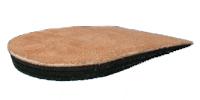
 - Wear heel lifts to reduce tension on the Achilles tendon where it
 attaches into the heel bone. We recommend these adjustable heel lifts. 3mm is usually adequate.
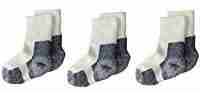
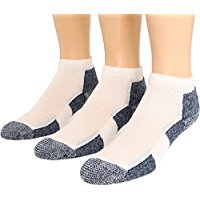
 - Have you child wear socks with extra cushion under the heel. It’s best if they are wearing this type of sock all of the time until the heel feels better. The extra cushion under the heel acts to slow the velocity of the foot as it hits the ground and by doing so decreases force on the heel.

-
- For toddlers and little kids we recommend the Thorlo Crew Thick Cushion Socks Toddler / Little Kid to cushion and protect the heel.
- For older kids who are not yet in adult shoe sizes we recommend the Thorlo Crew Thick Cushion Little Kid/Big Kid.

-
- Ice three times per day for about 10 minutes each time.
Video: Orthotics for calcaneal apophysitis
(This video is a bit technical as it was made as an education video for other podiatrists)
The Anatomy of Calcaneal Apophysitis
When a baby is born, most of the bones are still cartilage with only some starting to develop into bone. When the heel (calcaneus) starts to develop bone, there is generally one large area of development that starts in the center of the heel. Over time this cartilage becomes bone. At the back of the heel is another area of bone development. Between these two areas of developing bone is an area of cartilage.. At around age 16, when growth is nearly complete, these two bony areas fuse together. The cartilage (growth plate) between the two areas of growing bone is the weakest area of the heel bone and is prone to become injured or inflamed.
Symptoms of Calcaneal Apophysitis
Pain is usually felt at the back and side of the heel bone. Sometimes there may be pain at the bottom of the heel. The pain is usually relieved when the child is not active and becomes painful with sport. Squeezing the sides of the heel bone is often painful. Running and jumping make the symptoms worse. One or both heels can be affected. In more severe cases, the child may be limping.
Causes of Heel Pain in Children
The cause of calcaneal apophysitis is not entirely clear. It is likely due to repeated minor trauma that happens in a lot of sporting activities – the cartilage join between the two parts of the bone can not take all the stress of the activities. Some children seem to be more prone to apophysitis for unknown reasons – combine this with sport, especially if it is on a hard surface and the risk of developing apophysitis increases. Children who are heavier are also at greater risk for developing calcaneal apophysitis. A tight calf muscle is also common in those who develop calcaneal apophysitis. If you look at the picture, you can imagine how much pull there is from the calf muscles via the Achilles tendon on the small growth plate at the back of the heel. The strain that this will place on the growth plate is significant
A pronated foot (a foot rolled in at the ankle) has also been shown to make calcaneal apophysitis more likely. It is assumed that this may cause an uneven weight bearing on the back part of the heel bone
Long Term Consequences
This condition is self limiting – it will go away when the two parts of bony growth join together – this is natural. Unfortunately, it can be very painful and limit sport activity of the child while waiting for it to go away, so treatment is often advised to help relieve it. In very rare cases of calcaneal apophysitis, the treatment is not successful and these children will be restricted in their activity levels until the two growth areas join – usually around the age of 16 years. There are no known long term complications associated with Sever’s disease.
Don’t let your child live with heel pain. It usually responds well to conservative treatment. Call today for an evaluation in our convenient Seattle office.
